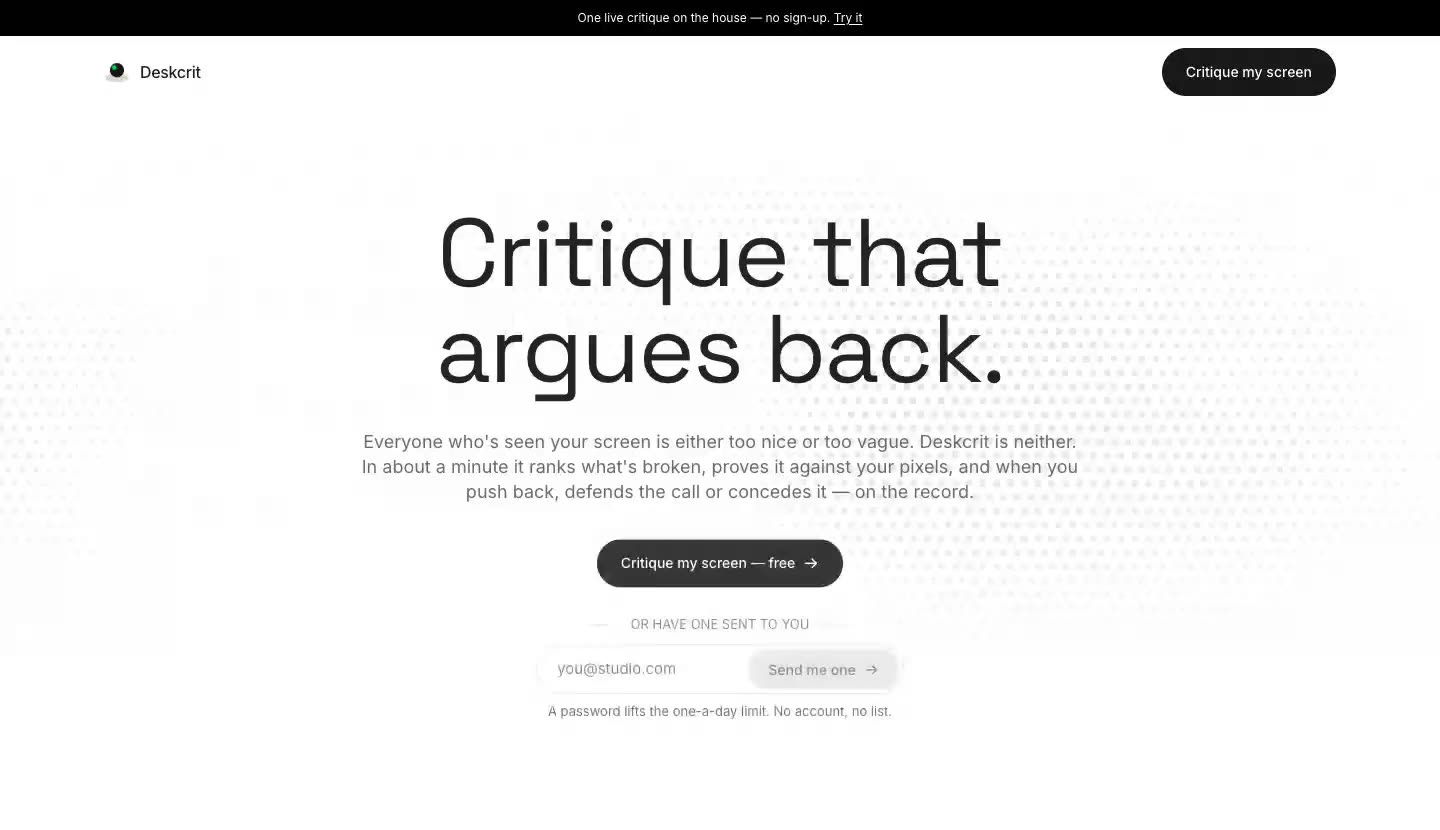
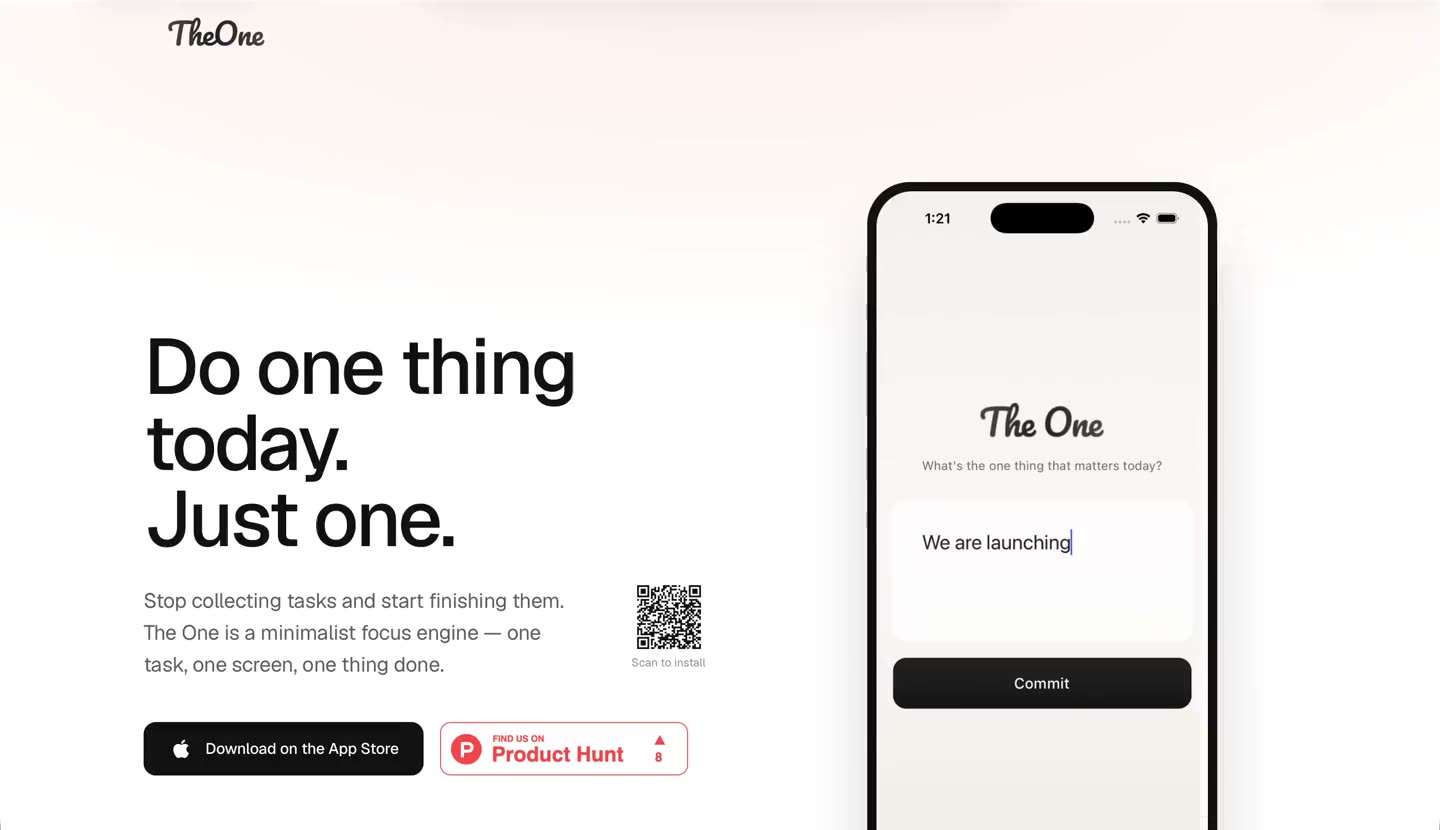
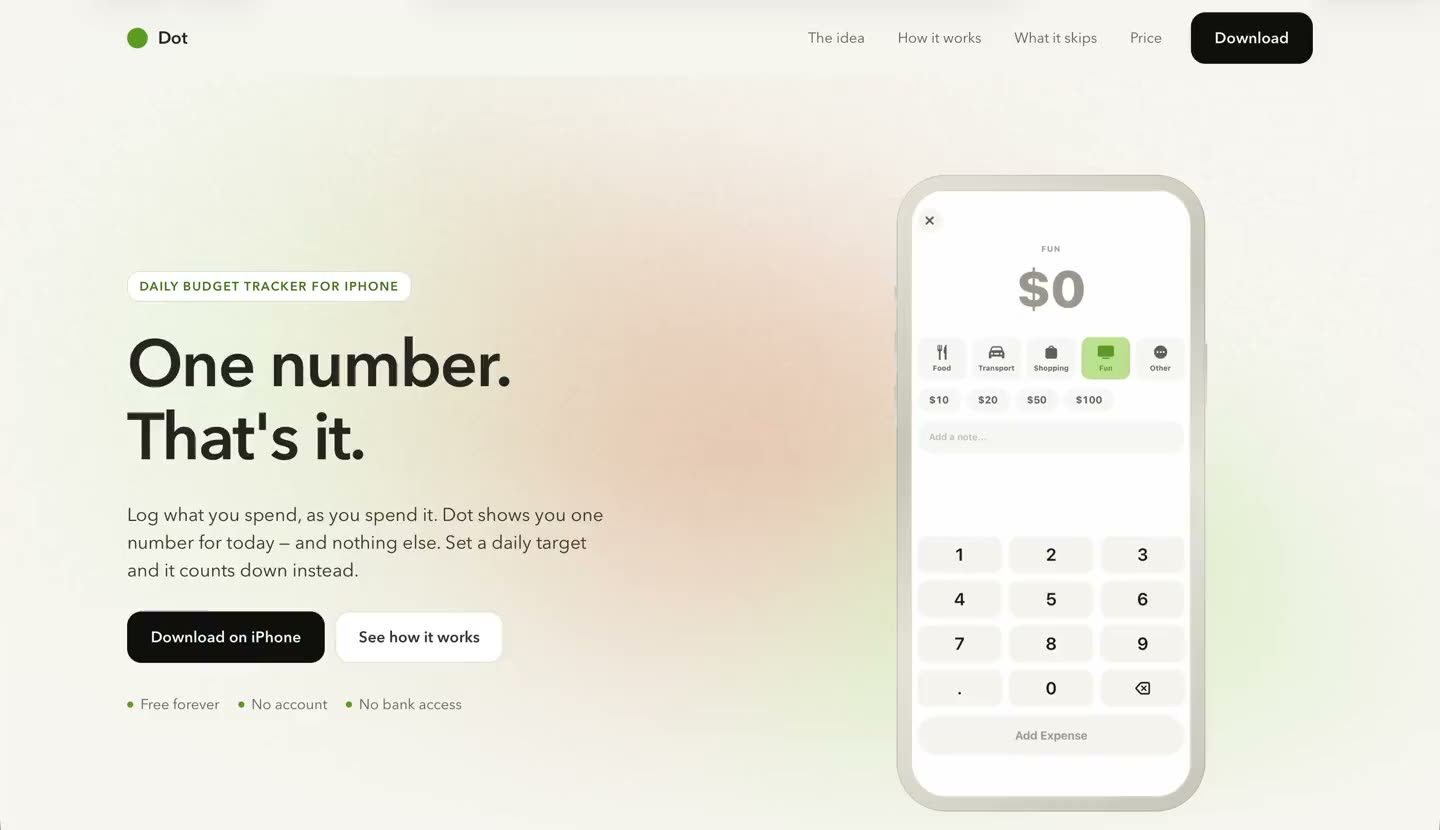
Ravi Palwe — Senior Manager, Experience Design

I design thetrust layer betweenpeople andintelligent systems.

19 years designing AI-powered products where human judgment and machine intelligence meet — across enterprise, regulated industries, and high-stakes decision systems.

19+Years experience
Design work trusted by
  • Vanguard
  • Bank of America
  • Capital One
  • Markel
  • NBCUniversal
  • St. Jude
Why this matters

For decades, software did what it was told. Now it decides, recommends, and acts on its own. The hard part isn't the intelligence. It's the trust.

People don't reject AI because it's wrong. They reject it because it won't show its reasoning, won't take a correction, and won't earn its authority. My work is the layer where a confident machine and a skeptical expert learn to rely on each other — in places where a wrong call costs millions.

About me

Hi, I'm Ravi

I've spent 19+ years solving one problem: getting people to trust screens with their money.

I'm a Product Design leader who still designs.

I chose financial services because it's where design mistakes have real consequences. When someone is managing their retirement savings or assessing a $10M commercial risk, "good enough" isn't good enough. Every interaction needs to earn trust, reduce cognitive load, and make complexity feel simple.

At Vanguard, Bank of America, Capital One, and Markel, I've built experiences that balance innovation with risk, autonomy with control, and automation with transparency. That constraint makes me a better designer.

Portrait of Ravi Palwe

The shift to agentic AI

Lately, I've been designing for agentic AI. These aren't systems that just chat or recommend. They act on behalf of users.

This is the next frontier of UX. When AI can rebalance portfolios, process insurance claims, or route financial transactions autonomously, the designer's job changes. We're not just crafting interactions anymore. We're architecting trust relationships.

19+Years experience

"I don't believe in cropping in photography, and I don't believe in cutting corners in product design."

My design philosophy
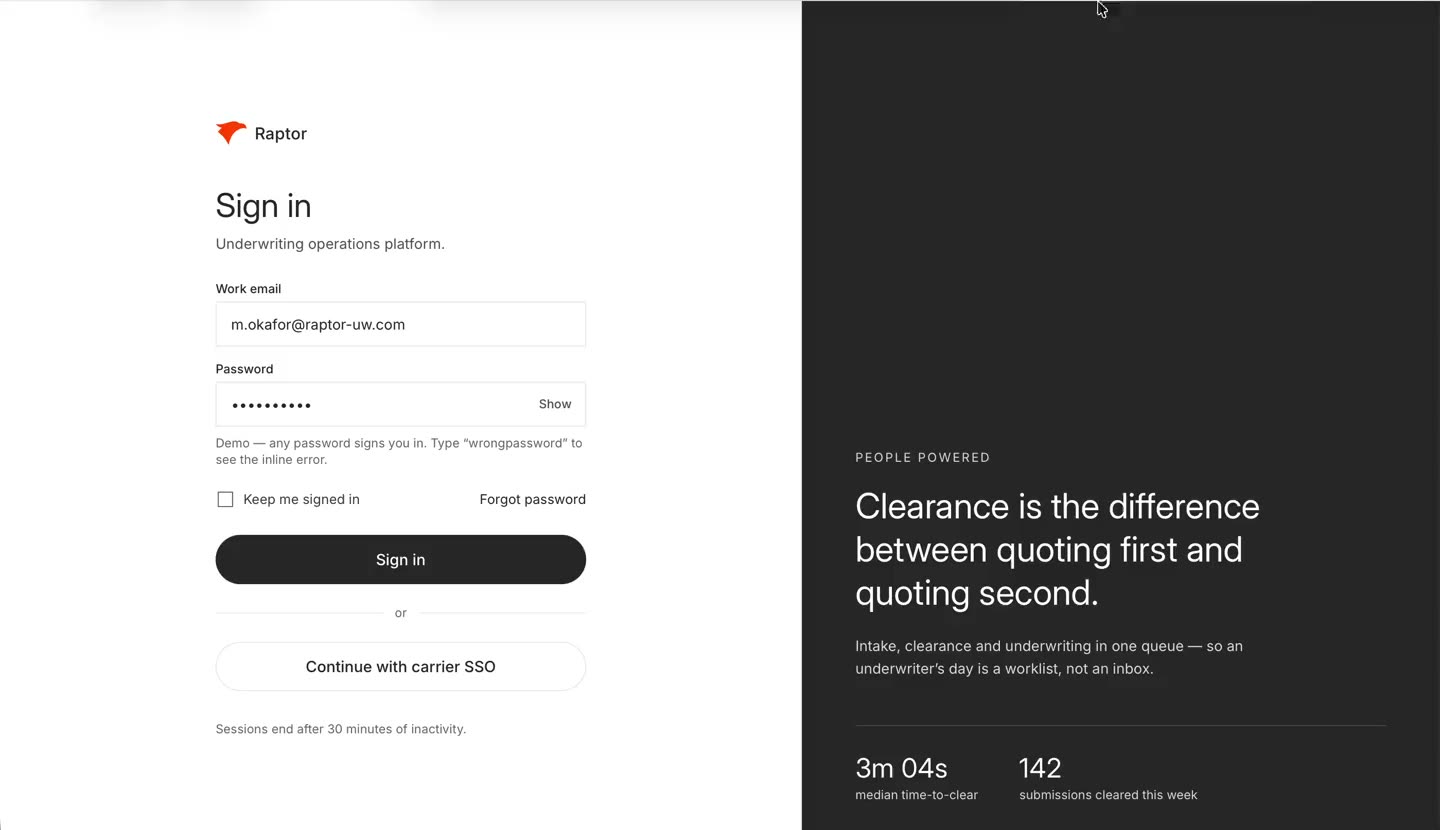
What I hold to

Six things I don't trade away.

  • Precision

    Zero-error accuracy in high-stakes domains

    In financial services, one error can destroy trust forever. I design for zero tolerance. Systems that handle millions of dollars must be perfect, every time.

  • Collaboration

    Building consensus across stakeholders

    Great design requires alignment. I bring together Legal, Engineering, Product, Compliance, and Business stakeholders through artifacts everyone can understand.

  • Continuous learning

    Always studying emerging patterns

    UX is evolving faster than ever. Agentic AI, voice interfaces, spatial computing. I stay current through research, conferences, and hands-on experimentation.

  • Sustainability

    Planet-first design (SOLAR framework)

    Digital systems consume massive energy. My SOLAR design system framework integrates sustainability into component-level decisions, not as an afterthought.

  • Accessibility

    Inclusive design as baseline, not bonus

    WCAG 2.2 AA compliance is not a nice to have. It is a baseline requirement. I design for everyone: low vision, motor limitations, cognitive differences, screen reader users.

  • Research-driven

    Decisions backed by data and insights

    I don't design on opinions. I design on evidence. User research reveals what people actually do. Behavioral data shows where systems succeed or fail.

Outside the work

When I'm not designing.

  • Writing about AI ethics and sustainable design

    I publish research and articles on how UX design intersects with AI ethics, digital sustainability, and trust in autonomous systems. Contributing to how our industry approaches these challenges is as important as the work I do for individual clients.

  • Mentoring junior designers

    I mentor designers earlier in their careers through design critiques, career coaching, and hands-on project work. Helping others grow is one of the most rewarding parts of my work. And it makes me a better designer by forcing me to articulate why I make decisions.

  • Contributing to open-source design systems

    I believe in giving back. My SOLAR framework for sustainable design is open-source, and I contribute to design system discussions in the UX community. Shared knowledge makes the entire field stronger.

I'm currently open to senior UX roles in fintech, AI/ML, and enterprise SaaS. Greater Richmond region — full-time, contract, remote, or hybrid.